What is Future Funk
HISTORICAL
CONTEXT
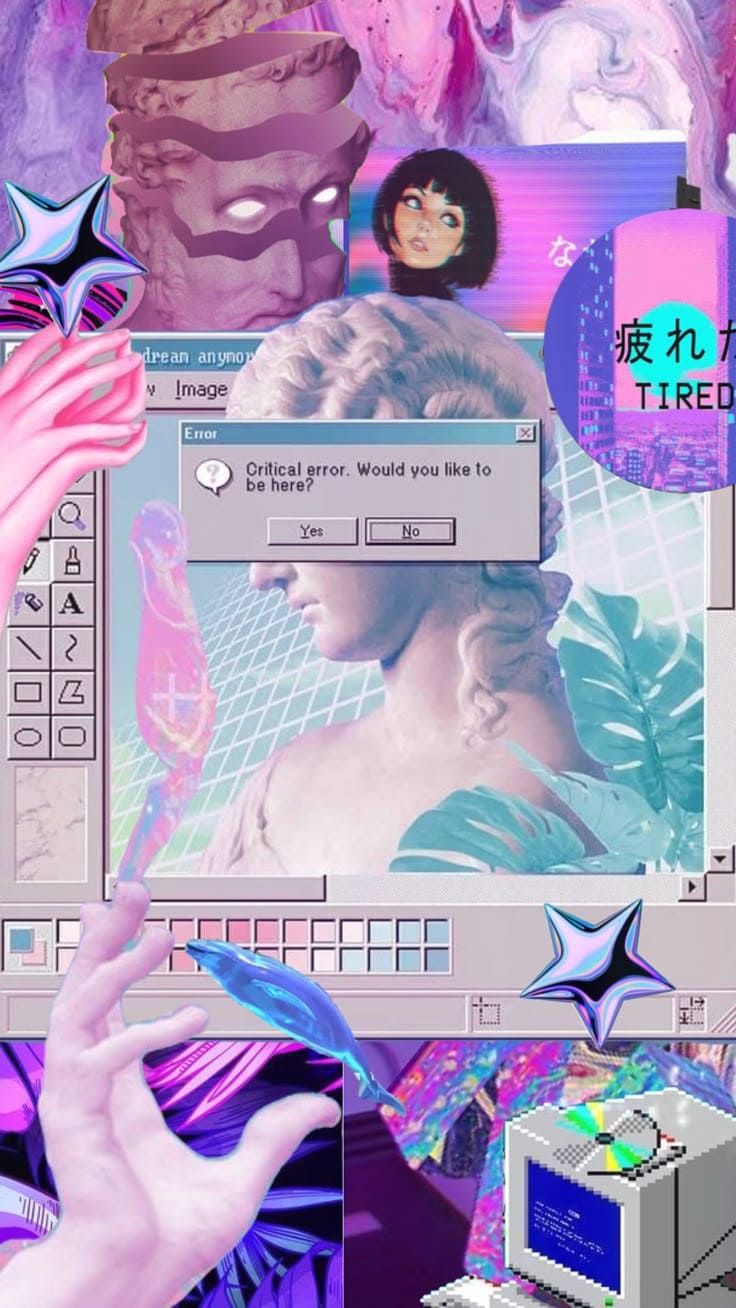
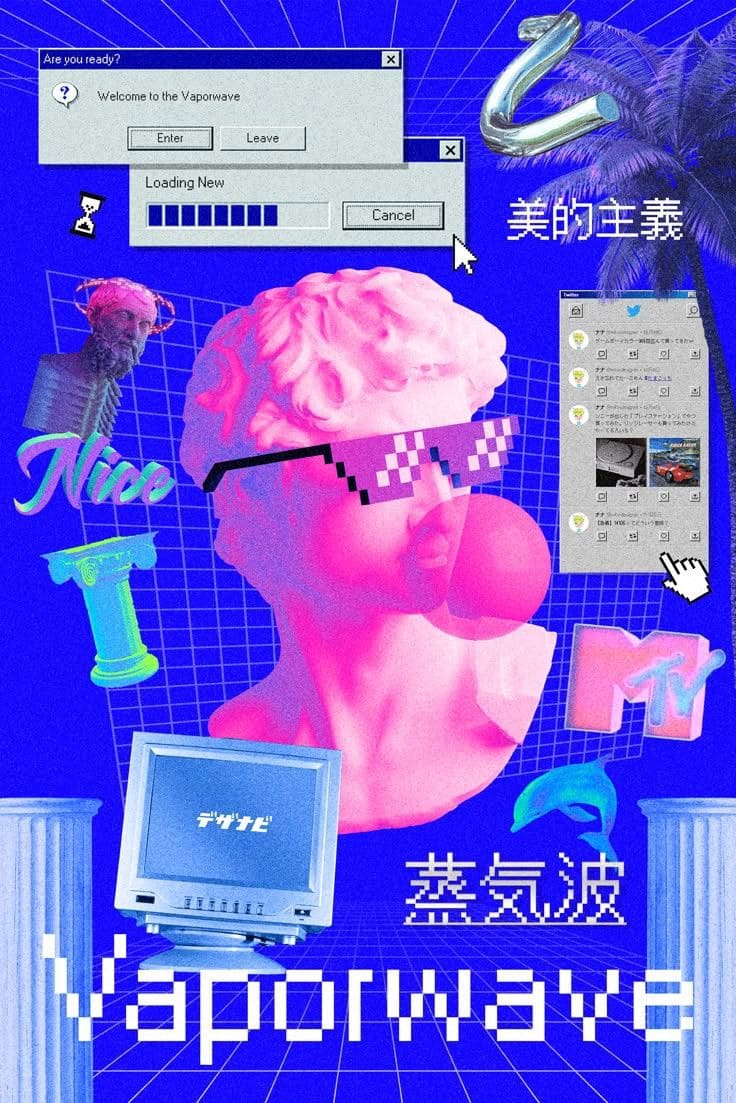
Future Funk is a genre that emerged in the early 2010s, primarily as a vibrant offshoot of the Vaporwave move ment. It is characterized by its upbeat, disco-inspired sound that samples music from the 1970s and 1980s, part icularly Disco and City Pop, while inco rporating elements of Synth Funk and French House
ORIGINS
Why it's called like that?
The term "Future Funk" was popularized around 2013, when producers began to create music that combined nostalgic samples with modern production techniques. This genre is often seen as a response to the slower, more melancholic tones of
Vaporwave, offering a more energetic and danceable alternative. The genre's roots can be traced back to the Japanese Funk scene of the 1980s, which blended funk and pop, and has since influenced many Future Funk tracks.
DEVELOPMENT AND POPULARITY
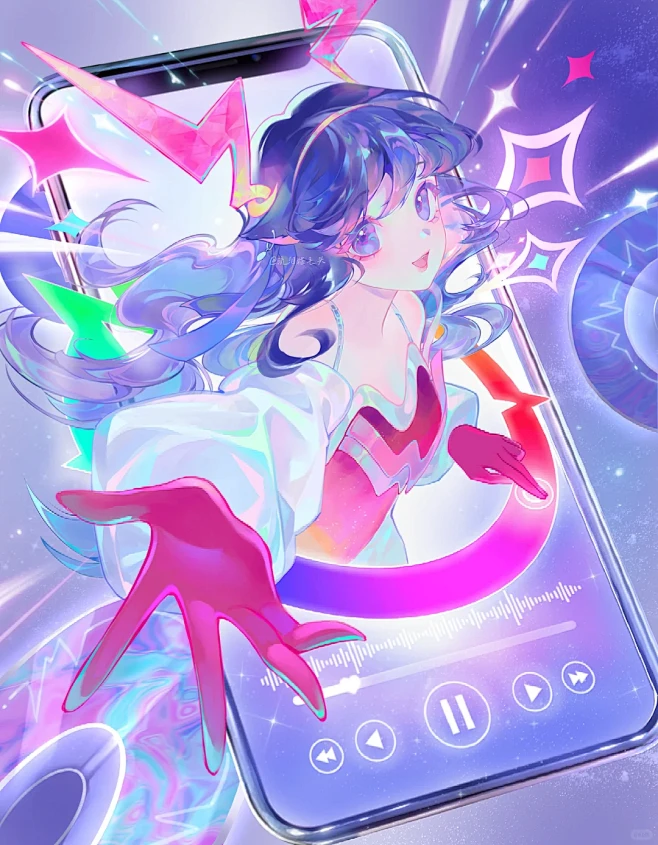
As Future Funk gained traction, it became associated with the internet culture of the 2010s, particularly through platform like YouTube. Artists began to use anime imagery and retro aesthetics in their music videos, creating a visual style that resonated with fans of both music and Japanese pop culture. This aesthetic often includes looped GIFs from classic anime series, which became a staple in the genre's presentation.
Notable artists such as Yung Bae, MACROSS 82-99, and Night Tempo emerged during this time, helping to define the sound and style of Future Funk. Their music often features catchy hooks and vibrant production, making it appealing for both casual listeners and dedicated fans.

EVOLUTION
How is going now??
Over the years, Future Funk has evolved, with artists experimenting with more complex arrangements and diverse influences. While early Future Funk tracks often relied on simple loops and repetitive structures, newer releases have incorporated a wider range of musical elements, including Latin rhythms and intricate sampling techniques. This evolution reflects a broader trend in electronic music, where producers seek to push the boundaries of genre and sound.